Introduction to How To Receive Webhooks With Python
Looking for the latest information on How To Receive Webhooks With Python? We've gathered comprehensive data, records, and insights about How To Receive Webhooks With Python.
Key Details
Explore the main sources for How To Receive Webhooks With Python.
Latest News
Stay updated on How To Receive Webhooks With Python's latest milestones.
How to setup a webhook #python #lowcode #jupyternotebook
How To Use Webhooks in Python ! (Full Tutorial)
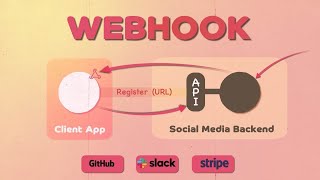
How WebHook works | System Design
Learn Webhooks by Building a Notification Service (Python + FastAPI + Docker)
How to create a webhook listener using Python | Python Tutorial | We Help Code
PYTHON : How do I receive Github Webhooks in Python
Webhook - What Is It, How to Create, Send, and Receive
Send Webhooks in Python
How to Get TikTok Live Data with Python and Send It to n8n Webhook
FastAPI Webhooks in Python: Handle Long-Running LLM Jobs
Top 3 Things You Should Know About Webhooks!
Detailed Analysis
Data is compiled from public records and verified media reports.
Last Updated: October 2, 2026
Final Thoughts
For 2026, How To Receive Webhooks With Python remains one of the most talked-about information profiles. Check back for the latest updates.
Disclaimer: Disclaimer: All information is compiled from publicly available data, media reports, and analysis. Actual details may vary.
Summary
In this video we learn how to use Need some help with a project or some consulting? Contact me here: neuralnine.com/services The UPDATE: New Video here: youtu.be/9zfAqoTm4-Q In the example provided in the video, the client app was mistakenly ... In this video, I'll walk you through building a simple In this tutorial, we'll explore how to create a Want to learn more about our Complete Python Course? the link below to secure your spot in the next class: lp ... If you're looking for a reliable and scalable solution for offering In this tutorial, I'll show you step by step how to capture real-time TikTok Live data using Stop polling long LLM jobs—use a FastAPI